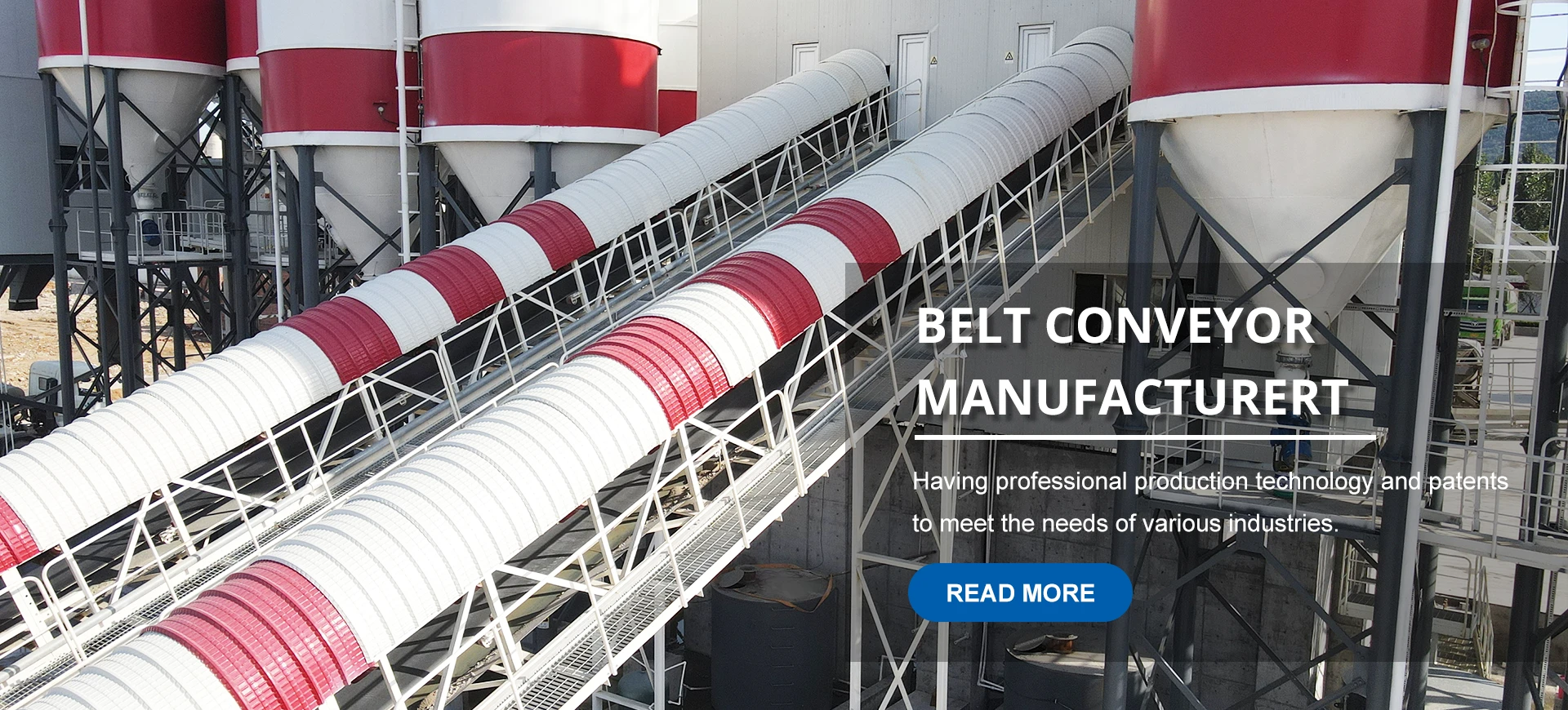
Introduction to Heavy Duty Roller with Bracket Systems In the demanding world of bulk material handling, the efficiency and reliability of conveyor systems are paramount. At the heart of these systems, supporting the conveyor belt and its transported load, are the rollers and their supporting structures. A critical component for ensuring continuous operation, reducing downtime, and extending belt life is the heavy duty roller with bracket . These systems are engineered to withstand extreme loads, harsh environmental conditions, and continuous operation in industries where failure is not an option. This comprehensive guide delves into the technical aspects, applications, advantages, and operational considerations for these essential industrial components. Manufacturing Process: From Raw Material to Robust Component The production of a heavy duty roller with bracket is a sophisticated process involving precision engineering and stringent quality control. It encompasses material selection, advanced manufacturing techniques, and rigorous testing. 1. Material Selection Roller Shells: Typically made from high-strength steel tubing (e.g., ASTM A513 Type 5 or BS EN 10210 Grade S355), chosen for its excellent wear resistance and structural integrity. For specialized applications, stainless steel or specific polymers (UHMW-PE) may be used for enhanced corrosion or abrasion resistance. Shafts: Precision-ground steel bars (e.g., AISI 1045 or EN8 steel) are used for their high tensile strength and resistance to bending under heavy loads. These are often cold-drawn or heat-treated for improved mechanical properties. Bearings: High-quality deep groove ball bearings or spherical roller bearings, typically sealed and pre-lubricated, are selected based on load capacity and operational speed requirements (e.g., SKF, FAG, NSK). Brackets: Constructed from heavy-gauge structural steel (e.g., ASTM A36 or S275JR) through cutting, bending, and welding processes, ensuring the structural rigidity required to support the rollers and withstand operational stresses. The design of the roller bracket is critical for stability. Sealing Systems: Multi-labyrinth seals, often combined with additional contact seals, are critical for protecting bearings from dust, moisture, and contaminants, significantly extending service life. 2. Manufacturing Processes CNC Machining: Shafts are precision-machined using CNC lathes to ensure exact dimensions, concentricity, and surface finish for optimal bearing fit. Bearing housings are also CNC-machined for precise tolerance. Fabrication and Welding: Brackets undergo laser or plasma cutting for accurate profiles, followed by cold forming (bending) and advanced welding techniques (MIG/TIG) to construct the robust support frame. Robotic welding ensures consistent quality and penetration. Assembly: Bearings are pressed onto the shafts, followed by the installation of multi-labyrinth seals. The roller shell is then pressed onto the bearing housings, and the shaft is secured. For keel roller bracket designs, specialized jigs ensure accurate alignment during assembly. Surface Treatment: After fabrication and assembly, components are typically shot-blasted to clean and prepare surfaces. Common treatments include powder coating (for durability and corrosion resistance) or hot-dip galvanizing (for superior protection in harsh, corrosive environments). 3. Testing and Quality Assurance All finished heavy duty roller with bracket units undergo rigorous testing to comply with international standards: ISO 9001: Ensures overall quality management throughout the manufacturing process. ANSI/CEMA B105.1: Specifies dimensions, load ratings, and testing procedures for conveyor idlers. Static and Dynamic Load Testing: Verifies the capacity of the roller and bracket system to withstand specified loads without deformation or failure. Fatigue Testing: Simulates prolonged operational stress to determine expected service life and identify potential failure points. Run-out and Friction Coefficient Testing: Measures rotational accuracy and rolling resistance, directly impacting energy consumption and belt wear. Seal Integrity Testing: Ensures effective protection against ingress of dust and moisture. The expected service life for a well-maintained heavy duty roller with bracket operating under design conditions typically ranges from 50,000 to 100,000 operating hours, significantly outperforming standard industrial rollers. Industry Trends and Market Dynamics The bulk material handling industry is continuously evolving, driven by demands for increased efficiency, reduced operational costs, and enhanced safety. Several key trends are shaping the future of roller bracket technology: Smart Conveyor Systems: Integration of sensors for real-time monitoring of roller health, temperature, vibration, and rotational speed. This enables predictive maintenance, reducing unplanned downtime and optimizing maintenance schedules. Energy Efficiency: A growing focus on rollers with ultra-low rolling resistance, achieved through advanced bearing technology and precision manufacturing, significantly reduces power consumption of conveyor systems. Advanced Materials: Development of composite materials and specialized coatings that offer superior wear, corrosion, and abrasion resistance, extending roller life in aggressive environments. Modular Design: Emphasis on modular keel roller bracket and roller designs that allow for easier installation, replacement, and customization, simplifying logistics and maintenance. Sustainability: Manufacturers are increasingly focusing on recyclable materials, reduced energy consumption during manufacturing, and designs that minimize environmental impact throughout the product lifecycle. According to industry reports, the global conveyor belt market is projected to grow at a CAGR of over 4% from 2023 to 2028, largely driven by infrastructure development and the increasing demand for bulk materials, directly impacting the demand for robust components like the heavy duty roller with bracket . Technical Specifications and Performance Parameters A heavy duty roller with bracket is defined by a range of critical technical parameters that dictate its suitability for specific applications. Typical Product Specifications (Example: Friction Self-Aligning Bracket Roller) Parameter Specification Range Relevant Standard Roller Diameter (D) 89 mm - 219 mm ISO 1536, CEMA B105.1 Shaft Diameter (d) 20 mm - 50 mm ISO 1536, DIN 22112 Bearing Type 6204/6308 Series (Deep Groove Ball) ISO 15 Shell Material Seamless Steel Pipe (S355JR) EN 10210 Shaft Material C45 Carbon Steel (AISI 1045) EN 10083-2 Bracket Material Q235/S235JR Structural Steel ISO 630-2, EN 10025 Load Capacity (Dynamic) Up to 25 kN CEMA B105.1 Operating Temperature -30°C to +80°C Manufacturer Specific Surface Treatment Powder Coated / Hot-Dip Galvanized ISO 12944 / ISO 1461 Typical Service Life ≥ 60,000 Operating Hours Manufacturer Specific Application Scenarios and Target Industries The robust design of a heavy duty roller with bracket makes it indispensable across a multitude of heavy industrial sectors, where continuous operation under harsh conditions is standard. Mining & Aggregates: For transporting ores, coal, overburden, and crushed stone. Rollers must withstand abrasive materials, high impact, and dusty environments. Advantages include extended component life and reduced maintenance in remote locations. Power Generation: Essential for coal handling systems in thermal power plants. These systems require high reliability to ensure uninterrupted fuel supply. Self-aligning features help mitigate belt damage from uneven loads. Cement & Construction: Transporting clinker, limestone, and other raw materials. The abrasive nature of these materials demands rollers with exceptional wear resistance and robust seals. Steel Mills & Metallurgy: Used in the movement of iron ore, coke, and slag. High temperatures and heavy loads are common, requiring rollers with specific material properties and high load capacities. Ports & Terminals: For bulk cargo handling, including grains, fertilizers, and minerals. Exposure to corrosive marine environments necessitates superior corrosion protection (e.g., hot-dip galvanizing for the roller bracket ). Petrochemical: While not directly moving petrochemicals, they are vital in associated material handling for feedstocks, catalysts, and waste products. Water Supply & Drainage (Sludge Handling): In large-scale municipal or industrial treatment plants, conveyors transport sludge and other heavy, often corrosive, byproducts. In these scenarios, the emphasis on corrosion resistance, energy saving (through reduced rolling friction), and extended service life is critical for optimizing operational costs and environmental impact. Technical Advantages of High-Performance Systems The design and engineering of a modern heavy duty roller with bracket offer significant technical advantages: Superior Load-Bearing Capacity: Designed with thicker shells, larger diameter shafts, and high-capacity bearings, these rollers can handle significantly heavier loads and absorb greater impact forces than standard rollers. Enhanced Sealing Mechanisms: Multi-labyrinth sealing systems, often supplemented by additional contact seals (e.g., Triple Labyrinth Seal), prevent the ingress of dust, moisture, and fine particulates, which are primary causes of bearing failure in harsh environments. This ensures the longevity of the critical bearing component. Low Rolling Resistance: Precision manufacturing, high-quality bearings, and optimized lubrication systems result in minimal friction. This directly translates to reduced energy consumption for the conveyor system, offering substantial operational cost savings over the equipment's lifespan. Corrosion and Abrasion Resistance: Specialized materials (e.g., stainless steel, UHMW-PE) and robust surface treatments (e.g., hot-dip galvanizing, ceramic lagging) protect rollers and the roller bracket from corrosive agents and abrasive materials, extending their operational life in aggressive environments. Self-Aligning Capabilities: For systems such as the Friction Self-Aligning Bracket, the design actively guides the conveyor belt back to the center, preventing belt wander, edge damage, and material spillage. This not only protects the belt, a significant capital investment, but also reduces clean-up costs and improves safety. Reduced Maintenance & Downtime: The combination of durability, superior sealing, and self-lubricating options (for certain bearing types) leads to significantly longer maintenance intervals and reduced unplanned downtime, contributing to higher overall equipment effectiveness (OEE). Vendor Comparison: Key Differentiators Selecting the right vendor for heavy duty roller with bracket solutions is crucial. While many manufacturers exist, their offerings can vary significantly in quality, customization, and support. Comparative Analysis of Heavy Duty Roller Systems Feature/Criterion Generic Supplier (Cost-Focused) Premium Supplier (Performance-Focused) Roller Shell Thickness 3-4 mm 5-8 mm, seamless tubing Bearing Quality & Type Standard grade, often unbranded Premium brands (SKF, FAG), C3/C4 clearance Sealing System Basic contact seals, limited protection Multi-labyrinth with additional contact seals (IP66 rated) Bracket Material/Gauge Thin gauge steel, basic welding Heavy gauge structural steel, robotic welding, advanced coatings Corrosion Protection Standard paint or thin powder coat Thick powder coat, hot-dip galvanizing, specialized anti-corrosion paints Design Innovation Standard CEMA-equivalent designs Self-aligning, impact-absorbing, modular, intelligent monitoring ready Warranty & Support Limited (e.g., 6 months), basic support Extended (e.g., 24-36 months), technical consultation, on-site service Choosing a premium supplier ensures adherence to critical standards like ISO 9001 and CEMA, translating into superior performance, longer operational life, and ultimately, a lower total cost of ownership (TCO). Customized Solutions for Unique Demands Recognizing that no two industrial applications are identical, leading manufacturers offer highly customized solutions for heavy duty roller with bracket systems. This flexibility allows clients to optimize their conveyor performance for specific materials, environmental conditions, and operational parameters. Customization Options Include: Specialized Roller Materials: For highly corrosive or abrasive materials, options include stainless steel, galvanized steel, ceramic-coated, or UHMW-PE composite rollers. Dimension & Configuration: Tailored roller diameters, lengths, shaft types, and bracket designs (e.g., impact, return, training, or specialized keel roller bracket configurations) to match specific conveyor structures and belt widths. Bearing & Sealing Upgrades: Selection of specific bearing types (e.g., spherical roller bearings for extreme radial/axial loads), specialized lubricants, or enhanced sealing (e.g., hermetically sealed units) for dust, water, or chemical resistance. Surface Treatments: Custom paint colors, heavy-duty powder coating, hot-dip galvanizing, or rubber/polyurethane lagging for improved grip, impact absorption, or reduced noise. Integrated Monitoring: Options to embed sensors for temperature, vibration, or rotational speed monitoring, facilitating integration with plant-wide predictive maintenance systems. Working closely with a manufacturer capable of such customization ensures that the resulting heavy duty roller with bracket system is perfectly aligned with the client's operational objectives, maximizing efficiency and minimizing unforeseen issues. Application Case Studies Real-world applications demonstrate the tangible benefits of high-quality heavy duty roller with bracket systems. Case Study 1: Large-Scale Iron Ore Mine Challenge: An iron ore mine in Western Australia faced frequent roller failures (every 3-4 months) on its primary overland conveyor due to high impact loads and abrasive conditions, leading to significant unscheduled downtime and high maintenance costs. Solution: Replaced existing rollers with custom-designed heavy duty roller with bracket systems featuring 6mm thick shells, C4-clearance spherical roller bearings, and ceramic-lagged impact rollers at transfer points. The roller bracket was hot-dip galvanized for enhanced corrosion resistance in the humid, dusty environment. Results: Roller service life increased to over 24 months, reducing unscheduled downtime by 70% and maintenance labor costs by 45%. The robust design also contributed to a 5% reduction in overall energy consumption due to lower rolling resistance. Case Study 2: Port Terminal Bulk Grain Handling Challenge: A major port terminal in the Gulf Coast experienced chronic belt misalignment and premature belt edge wear on its grain export conveyors, particularly during high-volume loading operations, leading to material spillage and environmental concerns. Solution: Installed a network of Friction Self-Aligning Bracket systems as training rollers along the conveyor lengths, alongside upgraded return and troughing roller bracket units. These units actively correct belt travel. Results: Belt misalignment issues were virtually eliminated (98% reduction), leading to a 30% increase in belt life and a significant reduction in material spillage, which also lowered clean-up costs and improved safety compliance. The port noted a 10% improvement in throughput due to more consistent belt operation. Trust & Reliability: Our Commitment Frequently Asked Questions (FAQ) Q: What is the typical lead time for a custom heavy duty roller with bracket order? A: Standard rollers usually have a lead time of 2-4 weeks. For complex custom orders involving specialized materials or designs, lead times can range from 6-12 weeks, depending on volume and specific requirements. We maintain a robust supply chain to minimize delays. Q: What warranty is offered on your heavy duty roller with bracket products? A: We offer a standard 24-month warranty on our heavy duty roller with bracket products, covering manufacturing defects and premature failure under normal operating conditions. Extended warranty options are available for specific project requirements. Q: Can your rollers be used in explosive atmospheres? A: Yes, we offer ATEX-certified rollers suitable for use in potentially explosive atmospheres, adhering to strict safety standards for industries such as mining (coal dust) and certain chemical processing plants. Q: How do your self-aligning brackets prevent belt damage? A: Our Friction Self-Aligning Bracket utilizes a robust pivot mechanism and angled rollers that respond dynamically to belt misalignment. As the belt drifts, it makes contact with the angled rollers, generating a restoring force that gently but effectively steers the belt back to its central position, preventing edge damage and spillage. Lead Time & Fulfillment Our advanced manufacturing facilities and strategic global partnerships enable efficient production and timely delivery. Standard orders for roller bracket components typically ship within 3-5 weeks. For high-volume or bespoke orders, a detailed production and logistics schedule is provided upon order confirmation. We work with trusted logistics partners to ensure safe and on-time global delivery, including sea freight and expedited air cargo options. Warranty Commitments Beyond our standard 24-month warranty, we offer comprehensive support for warranty claims, including prompt investigation, replacement of defective parts, and technical guidance. Our commitment extends to ensuring product performance meets or exceeds industry benchmarks and client expectations, guaranteeing peace of mind for your investment. Customer Support Information Our dedicated customer support team and engineering experts are available to provide technical assistance, product selection advice, installation guidance, and after-sales support. We offer 24/7 online support, detailed product manuals, and on-site technical visits for complex installations or troubleshooting, ensuring optimal performance and longevity of your conveyor systems. Our goal is to forge long-term partnerships built on trust and exceptional service. Conclusion The investment in high-quality heavy duty roller with bracket systems is a strategic decision for any organization engaged in bulk material handling. By understanding the intricate manufacturing processes, adhering to rigorous testing standards, and leveraging advanced materials and design, these components offer unparalleled reliability, energy efficiency, and extended service life. From the foundational design of the keel roller bracket to the sophisticated self-aligning mechanisms, every element is engineered to optimize conveyor performance, reduce operational costs, and enhance safety across the most challenging industrial environments. Partnering with a reputable manufacturer that prioritizes quality, customization, and comprehensive support is paramount to achieving long-term success in material handling operations. References Conveyor Equipment Manufacturers Association (CEMA). (2018). CEMA Book No. 105.1: Conveyor Rollers, Pulleys, and Idlers . International Organization for Standardization (ISO). (2019). ISO 9001: Quality management systems – Requirements . International Organization for Standardization (ISO). (2014). ISO 1536: Continuous mechanical handling equipment – Belt conveyors – General characteristics . Smith, R. H. (2020). Bulk Material Handling Systems: Design and Practice (4th ed.). McGraw-Hill Education. Mining Technology. (2022). Innovations in Conveyor Technology for Enhanced Efficiency . Retrieved from www.mining-technology.com.